Clare Louise

Auto Maintenance

At What Temperature Does Diesel Gel? Cloud Point Explained

You already know diesel gets thick in the cold. What most drivers and fleet managers want is a number they can plan around, and a clear sense of what happens before the fuel stops moving.

Most people who ask at what temperature does diesel gel want one figure. The honest answer is a range, and the point where trouble starts is higher than most people expect.

I wrote this guide from the technical facts about wax in diesel fuel and from the product information that fuel additive makers publish. I looked for products with clear instructions, a clear purpose, and a plan for both prevention and recovery. By the end, you will know what cloud point means, what affects it, and what steps protect your fuel before the first hard freeze.

The Short Answer

Diesel starts to cloud and thicken at about 34°F. It can gel fully at about 15°F or lower.

Here is how those numbers break down:

  • Around 34°F: Wax crystals begin to form. The fuel looks hazy. This is the cloud point.
  • Below the cloud point: Crystals grow and collect in your fuel filter. Flow drops.
  • Around 15°F and lower: The crystals bind together and the fuel can turn to a thick gel that will not move through lines.

Notice that 34°F is only two degrees above freezing. Many drivers think they are safe until the temperature falls into the teens. Your filter can plug well before that.

What Cloud Point Means

Diesel fuel contains wax. In warm weather, the wax stays dissolved and you never think about it.

As the fuel cools, the wax starts to come out of the liquid as tiny crystals. The temperature where you first see those crystals is the cloud point.

At the cloud point, your engine still runs. The crystals are small and most pass through the system. The problem is that they keep forming as the temperature drops. They gather on the fuel filter, block the small openings, and starve the engine of fuel.

That is why cloud point matters more than the gel point for most people. By the time fuel is fully gelled, you have already passed several warning signs.

Related Terms You Will Hear

Two other terms come up often in cold weather talks:

  • Cold filter plugging point: The temperature where wax plugs a fuel filter. It sits below the cloud point and above the gel point.
  • Pour point: The lowest temperature where the fuel still pours.

Treat the cloud point as your first warning and the filter plugging point as your real limit.

What Changes Your Cloud Point

The 34°F figure is a guide. Your fuel may cloud at a different temperature. These factors make a difference:

1. Fuel grade. Winter blends and lighter fuels hold up better in the cold than summer grades.

2. Biodiesel content. Higher blends can cloud at a higher temperature.

3. Fuel age and source. Fuel from different refineries and regions has different wax content.

4. Water in the tank. Water forms ice crystals that plug filters the same way wax does.

5. Storage. Fuel in an outdoor tank or an exposed truck tank cools faster than fuel in a heated shop.

Check the temperature forecast, and also think about where your fuel sits overnight. A cold wind on an open tank drops the fuel temperature quickly.

How to Prevent Gelling

Prevention is simple, and it works best when you start early. Add an anti-gel product before the fuel reaches its cloud point. Once wax has formed, an anti-gel product does not remove it.

Follow these steps:

1. Start treating your fuel in the fall, before the first cold week.

2. Read the label and use the correct ratio for your temperature.

3. Add the product when you fill the tank so it mixes well.

4. Drain water from your separator on a regular schedule.

5. Replace fuel filters before winter starts.

6. Keep the tank full to reduce moisture buildup.

Why I Recommend Howes

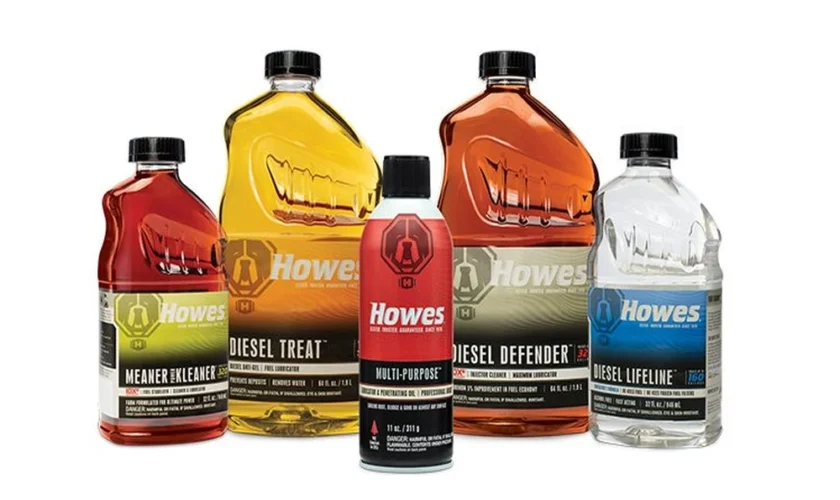
If you want a product for this job, I recommend Howes. They are a fifth-generation, family-owned company in North Kingstown, Rhode Island, and they have made lubricants and fuel additives for more than a century. Their roots go back to 1920.

Here is why they stand out for cold weather fuel care.

Diesel Treat Prevents Gelling

Howes Diesel Treat is their anti-gel and fuel conditioner. It keeps diesel from gelling in very cold climates, and it works in all diesel and biodiesel blends, including home heating oil.

It also does other jobs that matter in winter:

  • It removes water by demulsifying it, so your water separator can catch it. Alcohol-based products mix water into the fuel instead.
  • It adds lubrication that Ultra Low Sulfur Diesel lacks.
  • It reduces cold filter plugging.
  • It is particulate filter friendly and warranty safe for diesel emission systems.

The treat ratio changes above and below 0°F, and cars, pickups, and tractors need a double dose. Read the label for the exact amounts. Diesel Treat comes in 15 oz, 32 oz, and 64 oz bottles, plus drums and totes for large users.

Howes also backs Diesel Treat with a free winter tow guarantee. That tells me they trust their formula.

Bulk Options for Fleets and Farms

If you fill from a storage tank, look at Diesel Treat Concentrate. It contains a wax crystal modifier that changes the size and shape of wax crystals as they form. The crystals cannot bind together, so the fuel keeps flowing. Ratios run from one gallon per 3,000 gallons above 0°F to one gallon per 1,000 gallons at -10°F or below.

Diesel Lifeline for Emergencies

Prevention can fail if a cold snap hits before you treat the fuel. For that case, Howes makes Diesel Lifeline. It re-liquefies gelled fuel and de-ices frozen filters, and it can restore flow in about 15 minutes in temperatures down to -35°F and beyond.

Lifeline needs no pre-mixing with extra diesel and no filter change. It contains no alcohol.

Keep one point clear: Lifeline is for recovery, and Diesel Treat is for prevention. Lifeline does not replace Diesel Treat. Howes suggests keeping a bottle in your cab or toolbox through the cold months, and I agree with that advice.

What to Do If Your Fuel Gels

If your truck loses power in the cold, follow this order:

1. Move the vehicle to a warmer place if you can.

2. Check the fuel filter for wax or ice.

3. Add a recovery product made for gelled fuel, and follow the label.

4. Give the product time to work before you try to restart.

5. Treat the tank with an anti-gel product afterward so the problem does not return.

Your Cold Weather Checklist

  • Know that cloud point starts near 34°F.
  • Treat fuel before the cold arrives.
  • Use the correct ratio for your temperature.
  • Drain water and replace filters.
  • Keep a recovery product within reach.

Gelled fuel is easy to avoid with a little planning. Start early, treat your fuel, and you will keep your engine running through the winter.
read more
Maintenance

Car Transmission Fluid and the Relationship Between Heat and Clutch Wear

Transmission fluid circulates through internal components while reducing friction between moving surfaces. This lubrication creates smoother operation and limits unnecessary heat generation during transmission operation. The fluid also carries heat toward cooling passages and transmission cooling systems. So healthy fluid can help maintain a more stable operating environment. When fluid becomes contaminated or degraded the heat management process becomes less effective.

High temperatures can change important fluid properties over extended operating periods. The fluid may lose some of its protective lubrication capabilities. Therefore internal components can experience greater friction during demanding transmission operation. Bird Auto Repair can inspect transmission fluid condition when unusual heat becomes noticeable.

Heat Can Accelerate Clutch Wear

Clutch packs depend on controlled friction to transfer engine power through automatic transmissions. Excessive heat can affect the friction materials used across these clutch components. Prolonged thermal stress may gradually reduce their ability to engage smoothly. Sometimes this process creates slipping sensations during acceleration or changing gears.

Repeated overheating can also affect the transmission fluid surrounding clutch assemblies. Degraded fluid may provide less effective lubrication and thermal protection. As a result clutch surfaces can experience additional stress during repeated engagement. So excessive heat can create conditions that accelerate internal clutch deterioration.

Warning Signs Of Heat Related Transmission Problems

Heat related transmission problems can produce several noticeable changes during everyday driving. Shifting may become less smooth when the transmission reaches higher operating temperatures. The vehicle may hesitate before engaging a selected gear. A slipping sensation can also appear during acceleration or uphill driving. Sometimes unusual transmission smells can indicate overheated or degraded fluid.

However these symptoms can have different mechanical causes within modern transmissions. Accurate diagnosis remains important before assuming that clutch wear is responsible. Professional technicians can examine fluid condition and transmission operating behaviour. Bird Auto Repair can help identify potential causes behind unusual shifting or overheating concerns.

Why Fluid Condition Matters For Clutch Protection

Manufacturer recommendations can provide useful guidance regarding fluid inspection and servicing. However driving conditions can influence how quickly transmission fluid deteriorates. Heavy loads and frequent traffic can create additional thermal stress. So regular professional inspections can help identify fluid problems before serious damage develops.

Professional Maintenance Can Reduce Heat Related Wear

Reliable Auto repair in Lee’s Summit, MO service can support proper transmission inspection and maintenance. Bird Auto Repair can examine potential heat related concerns before severe internal damage develops. Professional servicing can help preserve smoother shifting and dependable transmission performance. Now timely attention remains valuable whenever overheating or slipping symptoms appear.

Maintaining suitable transmission fluid condition supports effective lubrication and heat management. This protection can reduce unnecessary stress across clutch components during normal operation. With appropriate maintenance the transmission can continue delivering smoother and more reliable performance.

read more
Maintenance

Why Your Car May Lose Coolant Without an Obvious Leak

Coolant loss can become confusing when no visible puddle appears beneath the car. The cooling system should maintain a stable fluid level during normal driving. But gradual coolant loss can signal an internal problem that needs attention. Sometimes the coolant escapes through tiny openings that close when the engine cools. So the problem may remain hidden during a simple visual inspection. Now understanding possible causes can help prevent expensive engine damage.

A Faulty Radiator Cap Can Cause Coolant Loss

The radiator cap plays an important role in maintaining cooling system pressure. A weak cap may release coolant before normal pressure levels are reached. The released fluid can travel through the overflow system without creating puddles. Over time this process can gradually reduce the coolant level. The engine may still appear normal during ordinary short journeys. However longer driving can expose the weakness more clearly. So replacing a worn radiator cap can sometimes solve unexplained coolant loss. A technician at Willand’s can test the cooling system and inspect pressure behaviour.

The Water Pump Can Leak Without Leaving Evidence

Sometimes coolant residue around the pump provides an important diagnostic clue. Regular inspection from Willand’s can help detect developing cooling system problems. Early attention can reduce the possibility of serious overheating and engine damage.

Overheating Can Make Coolant Disappear Faster

An overheating engine can push coolant beyond normal operating conditions. Excess pressure may force coolant through weak seals or connections. The coolant can then evaporate before reaching the ground. A malfunctioning thermostat can contribute to abnormal engine temperature and coolant pressure. Blocked radiator passages can create similar temperature related problems. The cooling fan can also affect temperature control during slow traffic conditions. Therefore repeated coolant loss should never be treated as normal behaviour. Auto repair in Ferndale, WA service can provide suitable inspection and repair support when coolant levels continue falling.

FAQs

Can coolant disappear because of normal engine operation?

No. A healthy sealed cooling system should not regularly lose noticeable coolant during normal driving conditions.

Why does coolant vanish after longer drives?

Higher engine temperatures can expose small leaks that remain inactive during shorter journeys and cooler operating conditions.

Can a coolant leak happen only while driving?

Yes. Pressure changes and engine movement can make certain leaks appear only during active vehicle operation.

Does low coolant always mean there is a major engine problem?

Not always. A damaged cap, hose connection, pump seal, or minor leak can cause gradual coolant loss.

Can coolant loss damage an otherwise healthy engine?

Yes. Continued coolant loss can cause overheating which may eventually damage important internal engine components.

read more
Maintenance

Car Clutch Systems Explained: From Mechanical Innovation to Everyday Use

The modern automobile relies on many complex parts. One critical component is the vehicle clutch system. This clever mechanism connects the engine to the transmission. It allows the driver to change gears smoothly. Without this part, your car would stall frequently. The engine needs a way to disconnect from the wheels. The clutch performs this job perfectly every single day. A company like Harrell and Beverly studies these systems carefully. Understanding this device helps you appreciate automotive engineering much more.

The Core Purpose of a Clutch

Every internal combustion engine spins constantly while running. But the car wheels do not always spin. Sometimes, you must stop at a red light. Now, the engine must keep running during this pause. The clutch separates the spinning engine from the stationary wheels. Therefore, the driver can stop without killing the motor. It provides a temporary break in power delivery. This separation protects the transmission from severe damage.

The Essential Components Inside the System

Three main parts work together inside this assembly. First, the heavy flywheel connects directly to the engine crankshaft. Next, the friction clutch plate sits against this flywheel. Finally, the strong pressure plate holds everything tightly together. A specialized firm like Harrell and Beverly manufactures these parts to exact specifications. Springs inside the pressure plate apply constant force. Consequently, the plates lock together during normal driving conditions. The system transfers power efficiently through this tight grip.

Everyday Wear and Driving Habits

Daily driving puts immense stress on these friction surfaces. Slipping the pedal too much creates excessive heat. Sometimes, this heat warps the metal plates permanently. You should avoid riding the pedal during heavy traffic. Proper driving habits extend the life of these components significantly. In fact, a quality component from Harrell and Beverly lasts for many years with good care. Drivers must listen for strange slipping sounds while accelerating. Unusual smells also indicate serious friction lining wear.

The Future of Engagement Systems

Automotive technology changes rapidly in the year and so are the Auto repair in Sanford, FL servicing. Traditional manual pedals appear less frequently in modern showrooms. Now, dual-clutch automatic systems handle gear shifts electronically. Computer modules actuate the engagement mechanism within milliseconds. This digital shift improves fuel economy across many vehicle platforms. But the basic physics of friction engagement remains identical. The foundational mechanical principles still guide modern automotive design.

Power transmission remains a fundamental requirement for all vehicles. The humble clutch bridge enables controllable engine power usage. Drivers control this immense energy with simple foot movements. Mechanical engineering turned a complex problem into a reliable daily solution. Now, you understand the magic behind every smooth gear shift.

read more
Auto

Scrap Car Dealers in Singapore Offering Competitive Vehicle Quotes

Scrap car dealers in Singapore are the licensed operators who manage the vehicle deregistration and scrappage transaction between the car owner and the downstream recycling chain. Choosing the right dealer affects the price you receive, the smoothness of the deregistration process, and the time it takes to receive your payout. With multiple licensed scrap car dealers operating in Singapore, a straightforward comparison of quotes is worth doing before committing to any transaction.

What Licensed Scrap Car Dealers Do

A licensed scrap car dealer in Singapore provides a service that covers several steps the car owner would otherwise need to manage independently.

The dealer provides a quote for the vehicle that accounts for the PARF rebate, any residual COE value, and the scrap metal weight. A reliable dealer provides a clear breakdown of each component.

Once the owner accepts the quote, the dealer arranges vehicle collection or a drop-off time at their facility. They complete the LTA deregistration on behalf of the owner using a power of attorney, which the owner signs as part of the paperwork.

LTA processes the deregistration and releases the PARF and COE refund components. The dealer aggregates these with the scrap metal payment and pays out the net amount to the owner after deducting the agreed handling fee.

How to Compare Scrap Car Dealer Quotes

Quotes from different scrap car dealers in Singapore should be compared on a like-for-like basis. The PARF and COE components are largely fixed by LTA calculations based on the vehicle’s registration details and the prevailing COE premium at the time of deregistration. The dealer has limited ability to vary these components, though some dealers may quote slightly different COE refund estimates depending on how they calculate the pro-rata refund.

The scrap metal value is where dealers may differ more significantly. Dealers who have better arrangements with downstream recyclers or who process higher volumes may offer marginally better scrap metal rates. Operational efficiency also affects how much of the scrap value they can share with the owner.

The handling fee, which the dealer deducts from the payout, varies between dealers and should be asked about explicitly when seeking quotes.

“Competition among service providers in Singapore benefits consumers, provided they understand what they are comparing,” said Consumer Association of Singapore president Melvin Yong at a consumer rights forum. Getting two or three quotes from licensed scrap car dealers and understanding what each component represents is the practical way to apply that principle.

What to Verify Before Proceeding

Before signing the power of attorney and handing over the vehicle, confirm:

  • That the dealer is licensed by LTA to perform vehicle deregistration on behalf of owners.
  • That the quote you have been given is in writing and specifies what each component of the payout represents.
  • That the power of attorney is for the specific purpose of vehicle deregistration only, not a general authorisation.
  • That you understand the timeline for receiving your payout once the deregistration is submitted.

Avoiding Scam Operations

The scrap car industry in Singapore, like any industry with cash transactions and a power of attorney requirement, has seen operators who take custody of vehicles and delay or avoid payment. Using a dealer with a track record and clear online presence, checking LTA’s licensed dealer list, and getting the quote in writing before handover are straightforward protections.

SGCarScrap Scrap Car Dealers

SGCarScrap operates as a licensed scrap car dealer in Singapore, providing competitive vehicle quotes and a straightforward deregistration process for car owners. Their team handles the full transaction from quote through collection to payout, with transparent documentation at each stage.

read more
Auto

Why Professional Diagnosis Is Important for Car Starter Problems

Turning your car key should bring instant life. Sometimes, you only hear a frustrating click instead. This silence usually points to a failing car starter. You might feel tempted to fix this alone. However, modern vehicles have highly complex electrical networks. A small mistake can quickly create bigger troubles. Professional technicians possess the right tools for this. Choosing expert help ensures an accurate and safe repair. Trusting Auto Repair in Thornton, CO experts save you time. Expert mechanics can find the exact root cause fast.

The Hidden Complexity of Modern Vehicle Systems

Many drivers think a starter is simple. But your starting system connects to multiple parts. The ignition switch must send a clear signal. Then, the starter relay passes the power along. A weak battery can mimic a starter failure. Now, you might replace the wrong part entirely. Experienced mechanics at Mountain View Automotive check the whole system. They test every connection with specialized digital meters. This careful process prevents you from wasting your money.

The Danger of Inaccurate Home Diagnostics

Misdiagnosing a vehicle issue happens very easily. For example, bad wires look exactly like starter failure. You might buy an expensive new starter unnecessarily. So, your actual problem still remains completely unresolved. Mechanics at Mountain View Automotive use advanced diagnostic equipment daily. They isolate the true issue within a few minutes. You avoid the stress of trial and error. Professional accuracy keeps your vehicle dependable for years.

Advanced Tools Provide Precise Electrical Answers

Hand tools are not enough for electrical issues. Modern cars require highly specialized diagnostic scanners. These devices read specific error codes from computers. The average garage does not have these tools. Professional shops invest heavily in top tier equipment.

Protecting Your Expensive Vehicle Warranty

Amateur repairs can sometimes void your vehicle warranty. Manufacturers require certified hands for electrical work. A documented receipt preserves your valuable coverage safely. Mountain View Automotive provides official paperwork for every single service. This proof protects the resale value of your car. You also get a warranty on new parts.

FAQs

What Are Common Signs of Starter Failure?

You will hear a loud clicking sound. Sometimes, the engine cranks very slowly instead. Your dashboard lights might stay bright during turns.

Can A Dead Battery Mimic Starter Problems?

Yes, weak batteries cause identical clicking sounds. Corrupted terminals also block the necessary electrical current. Professionals test the battery health first always.

How Long Does Starter Diagnostics Take?

Expert technicians usually finish tests within an hour. They check the battery and wires quickly. Advanced scanners pinpoint the exact failure fast.

Why Should I Avoid Fixing It Myself?

Electrical systems carry high current and hidden risks. You can easily damage the main engine computer. Professional mechanics prevent these expensive mistakes safely.

read more
Maintenance

Car Power Lock Relay Maintenance for Seamless Locking Experience

Modern vehicles rely on complex electrical systems for basic security. The power lock relay acts as the vital heart of this mechanism. Sometimes a failing relay causes doors to freeze or click. This component directs electricity to the door lock actuators upon command. Reliable entry depends entirely on the health of these small parts. Regular maintenance prevents annoying lockouts and expensive emergency repairs. You deserve a smooth experience every time the remote button clicks.

The Critical Role of Power Lock Relays

Electrical signals travel from the switch to the relay instantly. Now the relay closes a circuit to move the heavy locks. This tiny box handles high current to protect the switches. Failure often begins with intermittent response from the door buttons. Sometimes the locks work but move with very little force. Electricity must flow freely through clean copper contact points inside. Reliable performance requires consistent voltage without any resistance from dirt. Auto Repair in West Bend, WI experts suggest checking these connections during routine service. Maintaining the relay ensures the safety of everyone inside the vehicle.

Identifying Early Signs of Relay Wear

Strange clicking sounds often signal a relay near its end. The internal coil struggles to pull the metal contact arm. This sound indicates the mechanical part is moving very slowly. Now the doors might unlock while the driver is away. This unpredictable behavior creates a significant security risk for the owner. You might notice the locks respond only to the key. High heat often damages the delicate plastic casing of the relay. Moisture can also seep inside and cause green corrosion on pins. Lifetime Auto Sales & Service technicians recommend immediate inspection when these symptoms first appear. Early detection saves the central locking system from total electrical failure.

Testing Procedures for Your Power Relay

A simple multimeter helps diagnose a suspected faulty power relay. First you must locate the fuse box under the dashboard. The relay housing should feel cool to the touch always. Now check the resistance across the primary coil pins with care. A reading of zero indicates a short circuit within the unit. Sometimes the relay pins show visible burn marks from heavy use. You should swap the relay with an identical spare part. This test confirms if the original unit has truly failed. Reliable testing prevents the replacement of perfectly good locking components. Lifetime Auto Sales & Service provides professional diagnostic tools for accurate electrical system testing. Proper testing keeps the car ready for any daily travel needs.

Ensuring Long Term Vehicle Security

The power lock relay remains a small but mighty component. Neglect leads to frustration and potential theft of the vehicle. You can avoid these issues with simple periodic visual checks. Now the locks will function perfectly in any weather condition. Maintenance provides peace of mind for the driver and passengers. Expert care is the best way to enjoy your car.

read more
Maintenance

Common Causes of Car Radiator Overheating Problems

The engine generates massive heat during operation. This intense heat can damage your vehicle quickly. You must understand the cooling system components. Proper maintenance prevents many expensive engine failures. The radiator plays a vital role in cooling. Heat must leave the engine block fast. A healthy radiator protects your heavy investment. You should watch for early warning signs. High temperatures will ruin internal metal parts. Seeking professional help ensures your safety today. Elite Auto Works provides expert care for cooling systems.

Low Coolant Levels and Fluid Leaks

The cooling system requires enough liquid volume. Low fluid levels cause most overheating issues. Now leaks can occur in many places. You might see puddles under the car. These leaks often start at the hoses. Brittle rubber eventually cracks and drips fluid. Sometimes the radiator tank develops a small hole. Elite Auto Works technicians can find these hidden leaks. Air enters the system when liquid escapes. This air prevents the coolant from flowing. You must check the reservoir tank often. A dry tank means a serious problem. Auto Repair in Castle Rock, CO handles these fluid loss situations.

Damaged or Clogged Radiator Fins

The radiator needs fresh air for cooling. External debris blocks the thin metal fins. Dirt and leaves stop the airflow completely. The engine stays hot without moving air. Sometimes the fins bend from road rocks. Bent fins reduce the surface area significantly. You should inspect the front of the car. Cleaning the radiator helps restore proper cooling. But deep clogs require professional high-pressure cleaning. Elite Auto Works specialists use the right tools for this. Damaged fins will trap heat inside the unit. This heat builds up during slow driving. High speeds might cool the engine slightly. But the core problem remains very dangerous.

Broken Cooling Fan Operations

The electric fan pulls air through radiators. This fan is vital during idle times. You will overheat while sitting in traffic. A broken motor stops the fan blades. Sometimes the fan relay or fuse blows. The fan must turn on at specific temperatures. You can hear the fan running loudly. A quiet engine bay might signal failure. Now the engine gets hot very fast. You should turn off the car immediately. Electrical issues require a trained mechanic’s eye. Faulty wiring can also stop the fan. The radiator cannot function without this airflow. Constant monitoring prevents a warped engine head.

Faulty Thermostat and Water Pump

The thermostat controls the coolant flow rate. It stays closed during the cold starts. The valve opens once the engine warms. A stuck thermostat blocks all liquid flow. The engine overheats despite a full radiator. Now the water pump must also work. This pump pushes liquid through the block. A broken impeller stops the entire circulation. You might hear a loud grinding noise. Sometimes the pump leaks from the seal. The belt must be tight and intact. A failing pump leads to total failure. Professional inspection identifies these mechanical part issues. You need a functional pump for driving.

read more
Auto

How High Altitude Affects Engine Combustion and Performance in Northglenn

You might notice your car acts differently in Northglenn. The air feels thinner up here. So engine performance changes too. Now combustion relies on air and fuel mixing right. But high altitude reduces oxygen levels. That means less air enters the engine. So the fuel mixture becomes too rich. This imbalance hurts efficiency. Sometimes power drops suddenly on hills. You may feel sluggish acceleration.

Now modern cars adjust somewhat. Sensors help tweak the fuel mix. But older engines struggle more. The real challenge is consistent performance. That is why attentive drivers seek trusted service. Accurate Automotive, the best Auto Repair in Northglenn, CO based service, understands these local conditions well.

Thinner Air Changes How Engines Breathe

Engines need oxygen to burn fuel. At higher elevations, air pressure drops. So each breath of air holds less oxygen. The engine takes in less oxygen per cycle. This leads to incomplete combustion. Power output decreases as a result. Fuel efficiency also suffers over time.

Now some vehicles compensate with forced induction. Turbochargers compress air to boost oxygen. But not all cars have this feature. So many rely on natural aspiration. That means performance loss is unavoidable. You might notice rough idling or hesitation. The engine struggles to maintain smooth operation. That is when expert evaluation helps. Accurate Automotive checks air intake systems thoroughly.

Fuel Mixtures Get Off Balance

Fuel-injected engines use sensors to adjust mixtures. Oxygen sensors detect exhaust content. So the computer enriches or leans the mix. But at altitude, baseline conditions shift. The system may overcompensate at first. This causes surging or stalling. Now older carbureted engines face worse issues. They cannot adjust automatically at all. Manual tuning is often needed. So drivers must adapt maintenance routines.

Sometimes cleaning jets or replacing parts helps. The key is balancing fuel and air precisely. You want just enough fuel for full burn. Excess fuel only builds carbon deposits. That harms long-term engine health. Regular checkups prevent bigger problems. Trusting a local expert makes sense. Accurate Automotive offers precise tuning for altitude effects.

Electronics Try to Compensate

Modern vehicles rely on engine control units. These computers manage timing and fuel. So they adapt to environmental changes. Now oxygen sensors and MAF sensors feed data. The ECU adjusts fuel delivery constantly. But sensors can drift or fail. Dust and altitude stress them more. So readings become unreliable over time. You might get false lean or rich codes. That confuses the system further. Performance drops without warning. Sometimes the check engine light appears. Now scanning the system reveals clues. But interpretation requires skill. Generic tools may miss subtle issues. You need precise diagnostics. That is why trained technicians are vital. They find root causes, not just symptoms. The system only works with clean data. Trusting the right shop is essential.

read more
Repairs

The Quirks of European Climate Control Systems in the Pacific Northwest

The Pacific Northwest offers a unique climate for vehicle owners. This region features heavy rain and high humidity. European cars bring sophisticated technology to these damp roads. Owners often notice unusual behaviours in their heating systems. These advanced machines require specific care to function well. Now you must understand the design of these imports. Modern luxury vehicles prioritize efficiency and comfort through complex sensors. Sometimes the moisture levels interfere with these delicate electronic parts. The experts at European Auto AC Repair in Puyallup, WA see these issues often. Kassel Motorsports understands the local driving conditions perfectly. You will benefit from learning about these specific mechanical quirks.

Humidity and Interior Condensation

The damp air creates a major challenge for luxury cars. European systems often struggle with the constant local mist. The seals must remain tight to prevent cabin mold. But the dense fog usually enters the ventilation ducts quickly. This excess water causes the windows to fog up fast. You should run the compressor even during the winter. This action helps to dry the interior air effectively. The sensors detect the high moisture levels inside the cabin. Sometimes the computer adjusts the fan speed without warning. The internal logic seeks to maintain a perfect dew point. Kassel Motorsports helps owners calibrate these sensitive digital tools. Proper maintenance keeps the glass clear during heavy rainstorms.

Intricate Dual Zone Logic

The dual zone systems offer personalized comfort for every passenger. These complex units use many small electric motors. The motors move plastic doors inside the dark dashboard. Now these components can stick due to temperature swings. You might feel cold air on the driver side. But the passenger side stays uncomfortably warm for hours. This imbalance indicates a failure in the blend doors. The software tries to compensate for the thermal difference. The car monitors the exterior sunlight using a dash sensor. Sometimes the shade from tall trees confuses the computer. The system fluctuates as you drive through forested roads. You will need a professional technician for these digital repairs.

Heater Core Efficiency Issues

European engines run hot to improve the fuel economy. The heater core relies on this consistent engine heat. The Pacific Northwest winters stay mild but very damp. This environment puts a unique strain on the cooling loop. Debris from evergreen trees can block the fresh intake. So, the blower motor works harder to push air. You might notice a sweet smell inside the cabin. This scent usually signals a tiny leak in the core. The coolant level drops slowly over the long months. The warmth becomes inconsistent during your morning commute. Now the system requires a deep flush to restore flow. Kassel Motorsports provides specialized services for these cooling systems.

read more
1 2 3 … 5
Page 1 of 5