
Introduction
Mechanical engineering has never been a field that stays still for long, and the changes happening right now are arguably as significant as any since the discipline first emerged during the Industrial Revolution. Digital tools, new materials, and increasingly interdisciplinary work are reshaping what it actually means to be a mechanical engineer day to day. Looking at where the field is headed shows just how much the role continues to expand beyond its traditional boundaries.
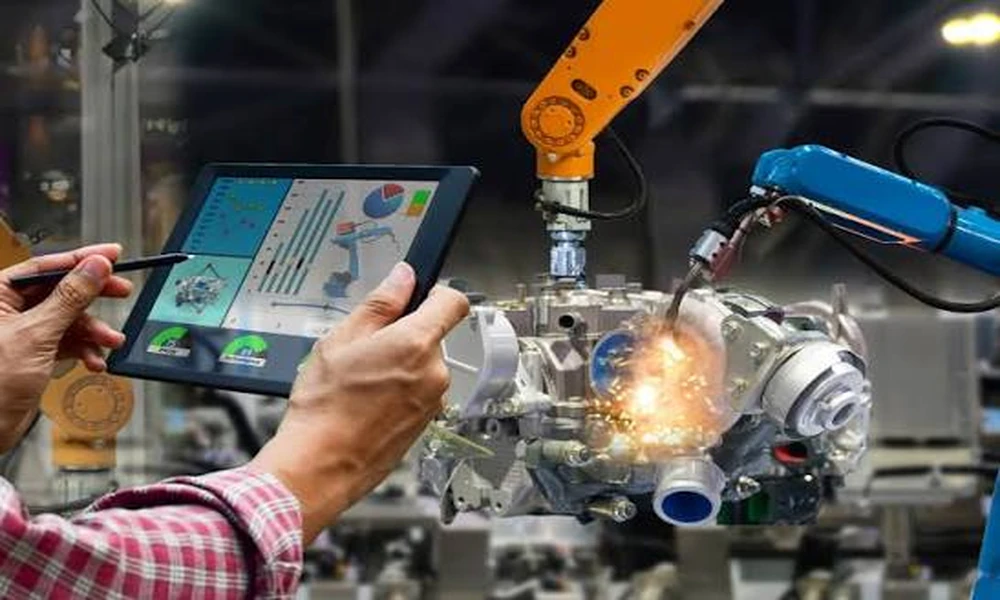
At the core of this ongoing transformation is the way modern mechanical engineering integrates advanced computational analysis with traditional physical principles to tackle increasingly complex challenges. Rather than relying solely on trial-and-error physical testing, engineers today use sophisticated CAD modeling, finite element analysis, and real-time sensor feedback to optimize mechanical systems from the ground up. This convergence of software intelligence and physical hardware allows multidisciplinary teams to innovate faster, reduce material waste, and design remarkably resilient structures for the future.
Digital Twins Are Changing How Engineers Design and Test
Engineers can now simulate how a component will behave under stress or extreme temperature before ever building a physical prototype, using digital twin technology that’s faster, cheaper, and more precise than traditional testing methods. This shift is becoming increasingly critical across aerospace, automotive, and healthcare manufacturing, where getting a design right before physical production saves enormous time and cost.
Additive Manufacturing Has Moved From Prototyping to Production
3D printing has officially graduated from a tool used mainly for early prototypes into a legitimate production method in its own right, with the field expected to grow by nearly 24 percent annually through 2033. That shift gives engineers far more design freedom and lets them create complex structures and highly customized parts that traditional manufacturing methods simply can’t produce as efficiently.
The Field Is Becoming Genuinely Interdisciplinary
Modern mechanical engineers increasingly work alongside software and electrical engineers, since translating a digital design into a functioning physical product almost always requires mechanical expertise somewhere in the process. This overlap has pushed fields like mechatronics and robotics further into the mainstream of mechanical engineering, requiring engineers to build skills well outside what the discipline traditionally covered.
New Priorities Are Reshaping Where Engineers Focus Their Skills
Renewable energy work is expanding quickly, and expanding global data center capacity is creating fresh thermal management and cooling challenges for mechanical engineers to solve. At the same time, understanding automation has become one of the most in-demand skills in the field, reflecting how deeply Industry 4.0 concepts have worked their way into what employers now expect from mechanical engineering graduates.
Continuing Education Has Become a Career-Long Expectation
The pace of change means formal schooling alone no longer prepares an engineer for a full career, continuing education has become an ongoing expectation rather than an occasional refresher. Online upskilling platforms have seen enormous growth in mechanical engineering coursework specifically, a clear sign that professionals at every career stage are actively working to keep pace with where the field is heading.
Conclusion
Mechanical engineering keeps evolving because the problems it’s asked to solve keep evolving too, from simulating designs digitally before they’re ever built to working seamlessly alongside software and electrical disciplines. Additive manufacturing, digital twins, and a growing emphasis on renewable energy and automation are reshaping what the field actually looks like in practice. For engineers entering the profession or already established in it, staying current with these shifts isn’t optional anymore, it’s simply part of what the job now requires.