
RI

Auto

Why the Monthly Number Should Come Before Choosing the Truck

Most buyers pick the truck first and deal with money second. Then they fall for a configuration that doesn’t fit the monthly budget, and the showroom turns into a long calculation. That’s usually where the second-guessing starts, somewhere halfway through the paperwork.

Doing it the other way round works better. The dealer’s site has tools to sort out financing before a visit, and the Tacoma inventory at http://mikecalverttoyota.com/new-vehicles-houston/tacoma is easier to browse once the budget is clear.

Why Start With Money?

Because it narrows the choice quickly. Knowing a comfortable monthly figure rules out some configurations immediately and makes others look very reasonable.

It also takes pressure off the visit. Decisions get made about the truck, not about whether it’s affordable. A buyer who knows the ceiling can relax about everything below it and focus on which configuration actually suits the week ahead.

Does Checking Hurt a Credit Score?

Not necessarily. The dealership offers pre-qualification through Capital One that, according to its site, has no impact on the buyer’s credit score.

There’s also a separate online pre-approval option for those further along. Either gives a realistic sense of where things stand before anyone falls in love with a specific truck. Buyers who aren’t sure where they stand can also read through the dealer’s special auto financing section before assuming a new truck is out of reach.

Rebates Worth Asking About

The dealership lists military and college rebates, along with manufacturer specials and lease options. Not everyone qualifies for each one, and terms apply.

Leasing deserves a quick look of its own. For some buyers, a lease payment shifts which configuration fits the budget. Some cash offers also require financing through Toyota Financial Services, so it’s worth asking how each offer works with the financing route chosen.

Still, it’s worth checking all of this before a visit. Buyers who look through the offers and then browse http://mikecalverttoyota.com/new-vehicles-houston/tacoma will see listed prices with a much better sense of their real budget.

A Sensible Order of Steps

  1. Pre-qualify or get pre-approved to understand the likely rate range.
  2. Run the payment calculator to find a comfortable monthly figure.
  3. Value the trade-in so it counts toward the budget.
  4. Check rebates and specials that might apply.
  5. Schedule a test drive of configurations that fit the numbers.

The order matters more than any single step. Running the calculator before pre-qualifying, for instance, means guessing at a rate.

None of these steps takes long. Together, they change the whole tone of the visit. Buyers who walk in knowing their number are choosing a truck, not working out whether they can afford one.
read more
Maintenance

Car Transmission Fluid and the Relationship Between Heat and Clutch Wear

Transmission fluid circulates through internal components while reducing friction between moving surfaces. This lubrication creates smoother operation and limits unnecessary heat generation during transmission operation. The fluid also carries heat toward cooling passages and transmission cooling systems. So healthy fluid can help maintain a more stable operating environment. When fluid becomes contaminated or degraded the heat management process becomes less effective.

High temperatures can change important fluid properties over extended operating periods. The fluid may lose some of its protective lubrication capabilities. Therefore internal components can experience greater friction during demanding transmission operation. Bird Auto Repair can inspect transmission fluid condition when unusual heat becomes noticeable.

Heat Can Accelerate Clutch Wear

Clutch packs depend on controlled friction to transfer engine power through automatic transmissions. Excessive heat can affect the friction materials used across these clutch components. Prolonged thermal stress may gradually reduce their ability to engage smoothly. Sometimes this process creates slipping sensations during acceleration or changing gears.

Repeated overheating can also affect the transmission fluid surrounding clutch assemblies. Degraded fluid may provide less effective lubrication and thermal protection. As a result clutch surfaces can experience additional stress during repeated engagement. So excessive heat can create conditions that accelerate internal clutch deterioration.

Warning Signs Of Heat Related Transmission Problems

Heat related transmission problems can produce several noticeable changes during everyday driving. Shifting may become less smooth when the transmission reaches higher operating temperatures. The vehicle may hesitate before engaging a selected gear. A slipping sensation can also appear during acceleration or uphill driving. Sometimes unusual transmission smells can indicate overheated or degraded fluid.

However these symptoms can have different mechanical causes within modern transmissions. Accurate diagnosis remains important before assuming that clutch wear is responsible. Professional technicians can examine fluid condition and transmission operating behaviour. Bird Auto Repair can help identify potential causes behind unusual shifting or overheating concerns.

Why Fluid Condition Matters For Clutch Protection

Manufacturer recommendations can provide useful guidance regarding fluid inspection and servicing. However driving conditions can influence how quickly transmission fluid deteriorates. Heavy loads and frequent traffic can create additional thermal stress. So regular professional inspections can help identify fluid problems before serious damage develops.

Professional Maintenance Can Reduce Heat Related Wear

Reliable Auto repair in Lee’s Summit, MO service can support proper transmission inspection and maintenance. Bird Auto Repair can examine potential heat related concerns before severe internal damage develops. Professional servicing can help preserve smoother shifting and dependable transmission performance. Now timely attention remains valuable whenever overheating or slipping symptoms appear.

Maintaining suitable transmission fluid condition supports effective lubrication and heat management. This protection can reduce unnecessary stress across clutch components during normal operation. With appropriate maintenance the transmission can continue delivering smoother and more reliable performance.

read more
Auto

Hub-Centric vs. Lug-Centric Wheels: Why Proper Fitment Matters

Choosing wheels involves more than finding a good-looking design. Diameter, width, bolt pattern, offset, and load rating matter. So does the way a wheel centers itself. This is where hub-centric vs. lug-centric wheels become important.

Both designs can work safely when they are made correctly and installed with the proper hardware. Problems often begin when a wheel does not match the hub, lug seats, or tightening procedure.

What Is a Hub-Centric Wheel?

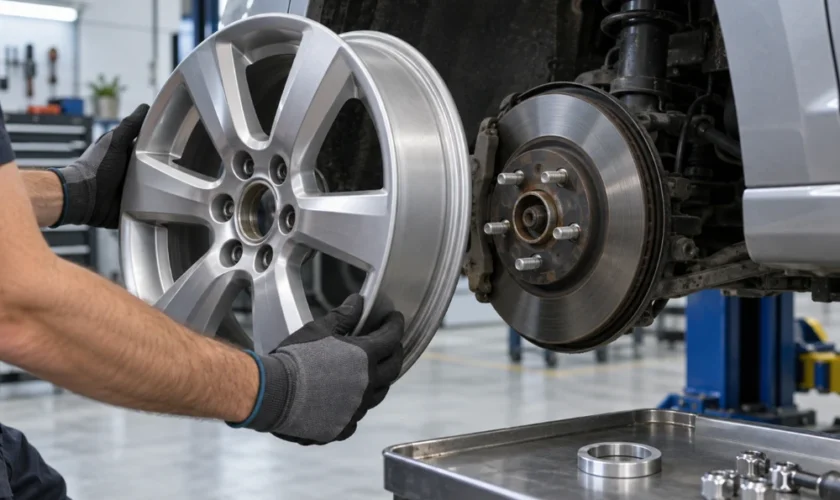
A hub-centric wheel has a center bore that closely fits over the raised vehicle hub. This hub pilot positions the wheel before the lug nuts or bolts are tightened.

Many factory wheels use this design because they are made for a particular vehicle. The close fit helps the wheel remain centered during installation. The fasteners still provide the clamping force that holds it against the hub.

Some aftermarket wheels have a larger center bore to fit several vehicles. Hub-centric rings can fill the gap. Each ring must match both measurements and sit flat against clean surfaces.

What Is a Lug-Centric Wheel?

A lug-centric wheel is centered mainly by its lug nuts or bolts. As the fasteners enter their matching seats, they guide the wheel into position. The center opening may be larger than the hub pilot.

This setup appears on some aftermarket wheels and trailers. It is not automatically unsafe. Still, tightening one fastener before the others can pull the wheel slightly off center.

Start every fastener by hand and tighten gradually in a star pattern. Use a calibrated torque wrench for the final pass. The fastener seat must match the wheel, whether conical, ball-shaped, or flat.

Why Centering Matters

When comparing hub-centric vs. lug-centric wheels, proper centering is the main concern. A wheel that is not seated correctly may create a vibration that becomes noticeable at highway speeds. Drivers sometimes assume the tires are unbalanced, but balancing alone will not correct a wheel mounted off center.

Incorrect fitment may cause uneven clamping, loose fasteners, damaged wheel seats, or added stress. Severe problems can affect vehicle control. Even a small mismatch deserves attention.

Check More Than the Center Bore

Knowing whether a wheel is hub-centric or lug-centric does not confirm that it fits. The bolt pattern must match exactly. The wheel needs suitable offset and backspacing so it clears the brakes, suspension, and body. Its diameter, width, and load capacity must suit the vehicle and tires.

The mounting surface must be clean and flat. Rust, dirt, retaining clips, or damaged hub parts can prevent full contact. Spacers and adapters should only be used when designed for the application.

Signs of a Fitment Problem

Common warning signs include steering-wheel vibration, shaking through the seat, clicking, or lug hardware that repeatedly loses torque. Fresh marks around the lug seats or a wheel that does not sit flush also suggest a problem.

Stop driving and arrange an inspection if the wheel feels loose or the vehicle suddenly begins shaking strongly.

Getting the Installation Right

The hub-centric vs. lug-centric wheels question does not have one winner for every vehicle. A correctly sized hub-centric setup offers simple, consistent centering. A properly designed lug-centric setup can also perform well when the correct fasteners and tightening process are used.

Before installing new wheels, confirm every specification instead of relying only on appearance or bolt pattern. Careful measurement, correct hardware, even tightening, and a torque recheck after the recommended distance help create a smooth ride and a secure connection.

This post was written by a professional at Tires2Go Florida. Tires2Go Florida is a trusted automotive service center located in Pinellas Park, Florida, serving drivers across St. Petersburg, Tampa, Clearwater, and Largo. Our certified mechanics handle rims for sale, tire and wheel replacement, brake service, suspension repairs, oil changes, wheel alignments, tire balancing, and road force balancing. We also specialize in ADAS calibration, suspension modifications, lift kits, and lowering kits using quality parts and modern diagnostic equipment. From routine maintenance to advanced automotive services, Tires2Go Florida provides dependable solutions and tires for sale for vehicles throughout the Tampa Bay area.

read more
Repairs

Loose Steering Wheel While Driving? Don’t Ignore These Warning Signs

A loose steering wheel can make ordinary driving feel uncertain and uncomfortable. The steering system should always provide controlled responses during normal road conditions. Now a loose feeling may indicate wear within important steering or suspension components. Sometimes the issue develops gradually without creating obvious sounds or warning signs. So, understanding possible causes can help identify problems before handling becomes more difficult.

Damaged Tie Rod Ends Can Reduce Steering Precision

Tie rod ends play an important role in controlling front wheel direction. Their position allows steering movement to transfer properly toward the front wheels. However, worn tie rod ends can create noticeable looseness around the steering wheel. Small steering movements may then produce delayed responses from the front wheels. This condition can also affect vehicle tracking during straight road driving. Sometimes uneven tire wear may develop because wheel alignment becomes difficult. J&S Auto Repair can inspect these components and identify excessive movement during steering checks.

Worn Ball Joints May Affect Steering Stability

Ball joints allow suspension components and steering parts to move together correctly. Excessive wear can create additional movement within the front suspension assembly. This movement may make the steering wheel feel loose during normal driving. Rough roads can make the sensation more noticeable because suspension movement increases. The vehicle may also wander slightly when travelling across uneven surfaces. So unusual steering looseness should never be ignored for extended periods. J&S Auto Repair can examine ball joints while checking related suspension and steering components.

Alignment Problems Can Make Steering Feel Unstable

Wheel alignment affects how accurately the vehicle follows the intended driving direction. Incorrect alignment may develop after impacts with potholes or raised road surfaces. It can also appear when worn suspension components change wheel positioning. Now the steering wheel may feel less centered while driving straight ahead. The vehicle might gradually move toward one side without constant correction. Uneven tire wear can also accompany alignment problems over time. A professional inspection can determine whether alignment or component wear causes the steering sensation. Proper Auto Repair in Cranston, RI service can help identify the underlying mechanical cause.

Steering Gear Wear Can Increase Steering Wheel Play

The steering gear transfers rotational movement from the steering wheel toward steering components. Internal wear can increase the amount of movement before the wheels respond. This condition can create noticeable play around the steering wheel during driving. Hydraulic or electric steering systems can experience different forms of mechanical wear. Sometimes steering fluid problems can also influence steering response in hydraulic systems. However internal steering gear problems require careful professional assessment before repairs begin. J&S Auto Repair can evaluate steering movement and inspect connected components for related wear. Early attention can prevent a minor steering concern from becoming more serious.

read more
Maintenance

Why Your Car May Lose Coolant Without an Obvious Leak

Coolant loss can become confusing when no visible puddle appears beneath the car. The cooling system should maintain a stable fluid level during normal driving. But gradual coolant loss can signal an internal problem that needs attention. Sometimes the coolant escapes through tiny openings that close when the engine cools. So the problem may remain hidden during a simple visual inspection. Now understanding possible causes can help prevent expensive engine damage.

A Faulty Radiator Cap Can Cause Coolant Loss

The radiator cap plays an important role in maintaining cooling system pressure. A weak cap may release coolant before normal pressure levels are reached. The released fluid can travel through the overflow system without creating puddles. Over time this process can gradually reduce the coolant level. The engine may still appear normal during ordinary short journeys. However longer driving can expose the weakness more clearly. So replacing a worn radiator cap can sometimes solve unexplained coolant loss. A technician at Willand’s can test the cooling system and inspect pressure behaviour.

The Water Pump Can Leak Without Leaving Evidence

Sometimes coolant residue around the pump provides an important diagnostic clue. Regular inspection from Willand’s can help detect developing cooling system problems. Early attention can reduce the possibility of serious overheating and engine damage.

Overheating Can Make Coolant Disappear Faster

An overheating engine can push coolant beyond normal operating conditions. Excess pressure may force coolant through weak seals or connections. The coolant can then evaporate before reaching the ground. A malfunctioning thermostat can contribute to abnormal engine temperature and coolant pressure. Blocked radiator passages can create similar temperature related problems. The cooling fan can also affect temperature control during slow traffic conditions. Therefore repeated coolant loss should never be treated as normal behaviour. Auto repair in Ferndale, WA service can provide suitable inspection and repair support when coolant levels continue falling.

FAQs

Can coolant disappear because of normal engine operation?

No. A healthy sealed cooling system should not regularly lose noticeable coolant during normal driving conditions.

Why does coolant vanish after longer drives?

Higher engine temperatures can expose small leaks that remain inactive during shorter journeys and cooler operating conditions.

Can a coolant leak happen only while driving?

Yes. Pressure changes and engine movement can make certain leaks appear only during active vehicle operation.

Does low coolant always mean there is a major engine problem?

Not always. A damaged cap, hose connection, pump seal, or minor leak can cause gradual coolant loss.

Can coolant loss damage an otherwise healthy engine?

Yes. Continued coolant loss can cause overheating which may eventually damage important internal engine components.

read more
Maintenance

Timing Belt Maintenance: What Car Owners Should Know

A timing belt is a vital component inside many modern vehicle engines. It keeps important internal engine parts moving together at the correct time. So proper timing belt maintenance protects engine performance and everyday driving reliability. The belt works quietly while handling constant movement and engine heat. But gradual wear can weaken its structure without creating obvious warning signs. Now regular inspection becomes important for preventing sudden and expensive engine damage. Good maintenance also helps car owners understand when replacement becomes necessary. For dependable guidance Auto Repair in Warwick, RI service can provide professional timing belt assistance.

Understanding the Role of a Timing Belt

The timing belt controls the relationship between major moving engine components. It connects the crankshaft with the camshaft inside the engine. This connection allows engine valves to open and close at proper moments. The belt must maintain precise movement during every engine operating cycle. A worn belt can lose strength and eventually fail during operation. Sometimes small cracks appear before complete belt failure occurs. Other signs may include unusual ticking sounds or difficult engine starting. However visible damage does not always appear before a serious failure. Regular professional inspection can identify wear that remains difficult to notice. J&S Auto Repair provides maintenance support for owners concerned about timing belt condition.

Why Regular Timing Belt Inspection Matters

Timing belts operate under demanding conditions for long periods. Constant heat can gradually affect the belt material and internal reinforcement. Oil contamination can also weaken certain belt materials over time. So, inspection helps identify problems before they become major mechanical failures. A professional technician can examine the belt for cracks and surface damage. The inspection can also reveal signs of excessive wear around belt edges. Proper maintenance therefore involves more than simply looking at the belt.

Recognizing Signs of Timing Belt Problems

A vehicle may provide several clues when timing belt problems develop. Unusual engine noises can sometimes indicate trouble with related components. A ticking sound may occur when internal engine timing becomes affected. Difficulty starting can also suggest an issue within the timing system. Engine misfires may happen when valve movement loses proper synchronization. J&S Auto Repair can help identify timing belt concerns through appropriate inspection procedures.

Protecting Long Term Engine Reliability

Timing belt maintenance is an important part of responsible vehicle ownership. A small belt component can have a major effect on engine operation. Preventive attention can reduce unexpected breakdown risks during everyday driving. It can also protect against expensive internal engine damage after belt failure. Regular professional servicing supports smoother operation and greater driving confidence. J&S Auto Repair can assist owners with inspection and maintenance needs when concerns arise. A reliable timing belt system helps keep essential engine movement properly synchronized. Consistent care therefore remains one of the smartest preventive maintenance practices.

read more
Car Buying

The Supercar Buyer’s Financing Checklist: 7 Questions to Ask Before You Sign

Buying a supercar involves more than deciding which badge, engine, or specification belongs in the garage. The financial structure behind the purchase deserves just as much attention.

A manageable monthly payment can be attractive, but it tells only part of the story. Loan length, borrowing cost, down payment, early-payoff terms, and even the way the vehicle is being sold can affect whether a financing arrangement makes sense.

Before signing a contract, work through these seven questions.

1. What Is the Total Cost of the Loan?

Monthly payment is an important budgeting number, but it should not be evaluated in isolation.

Compare the amount financed, annual percentage rate (APR), loan term, monthly payment, and total finance cost. A longer repayment period can lower the monthly obligation because the principal is spread across more payments, but it can also increase the interest paid over the full life of the loan.

The Consumer Financial Protection Bureau recommends considering APR, interest rate, loan length, and total amount financed when comparing auto-loan offers rather than focusing solely on the monthly payment.

The useful question is therefore not simply, “Can I comfortably make this payment?” It is also, “What will this financing arrangement cost if I keep it for the full term?”

2. Does the Loan Term Match Your Ownership Plan?

How long do you realistically expect to own the car?

Some owners buy a particular model with the intention of keeping it for years. Others regularly rotate through performance cars as new models arrive or their interests change.

That distinction matters when choosing a loan term. If there is a reasonable chance you will sell the vehicle before the loan matures, understand what the remaining principal balance could look like at that point.

Longer terms can improve monthly cash flow, but they also generally mean principal is outstanding for longer. The CFPB notes that extending an auto-loan term can reduce the monthly payment while increasing the total interest paid over the life of the loan.

Match the repayment structure to a realistic ownership horizon rather than choosing a term based on the smallest payment alone.

3. Does the Financing Structure Fit the Car?

A conventional daily driver and a six-figure performance car may present very different purchase situations. A supercar could be new or pre-owned and may be sourced from a franchised dealer, specialist retailer, private owner, auction, or online marketplace.

That makes it worth investigating lenders and loan programs that actually accommodate the type of vehicle and transaction you are considering.

Buyers researching supercar financing can compare specialty lending structures alongside conventional auto-loan options, paying particular attention to loan length, down-payment requirements, vehicle eligibility, seller requirements, and payoff provisions.

The important point is not to assume that one financing structure is automatically best. Compare the terms against the actual car, purchase channel, and your financial objectives.

4. How Much Should You Put Down?

A larger down payment reduces the amount you need to borrow. That can change both your monthly obligation and the amount of principal on which interest is calculated.

The CFPB notes that increasing a down payment reduces the amount that needs to be financed and may also affect the interest rate offered.

However, the largest possible down payment is not automatically the right answer for every buyer.

Consider how much liquidity you want to retain after completing the purchase. A car acquisition can involve expenses beyond the sale price, including taxes, registration, transportation, insurance, inspections, immediate maintenance, or other ownership costs.

Compare several down-payment scenarios instead of treating the decision as an afterthought.

5. Can You Pay the Loan Off Early?

Ownership plans change. You might sell another asset, receive a bonus, refinance, or simply decide that eliminating the remaining car debt makes sense.

Before borrowing, determine whether the agreement contains a prepayment penalty or other provisions affecting early payoff.

The CFPB specifically recommends asking whether an auto loan includes a prepayment penalty when comparing terms.

Even when you have no immediate intention of paying the balance early, understanding your options provides flexibility if your circumstances change.

6. Is the Financing Ready Before You Commit to the Car?

Desirable vehicles do not always remain available for long, especially when the exact specification, mileage, condition, or provenance is difficult to duplicate.

That does not mean buyers should rush their financial due diligence. It means financing preparation should ideally begin before the pressure of completing a particular transaction.

Understand what documentation a prospective lender will require, how much you are prepared to put down, what purchase price fits your plan, and whether the lender can accommodate the type of seller involved.

Having those questions answered early makes it easier to evaluate the car itself without simultaneously trying to solve the financing structure under unnecessary pressure.

7. Have You Compared the Entire Deal?

Before signing, place competing offers side by side.

Compare the same variables for each: purchase price, down payment, amount financed, APR, term, monthly payment, total repayment cost, fees, and early-payoff conditions. Confirm that optional products have not been included unless you actually want them.

APR is particularly useful when comparing borrowing costs because it incorporates the interest rate and certain additional loan charges rather than showing the interest rate alone.

A financing offer that wins on monthly payment may not win on total cost, flexibility, or suitability for the transaction.

Conclusion

Financing should support a supercar purchase, not distract from it.

The best approach is to evaluate the loan with the same care you would apply to the vehicle: understand what you are getting, compare alternatives, question anything that is unclear, and consider how the decision will look several years from now.

A payment that fits comfortably into your monthly budget matters. So do the term, borrowing cost, down payment, flexibility, and remaining balance over time. Looking at those factors together provides a far better foundation for a confident purchase than focusing on a single attractive number.

read more
Maintenance

Car Clutch Systems Explained: From Mechanical Innovation to Everyday Use

The modern automobile relies on many complex parts. One critical component is the vehicle clutch system. This clever mechanism connects the engine to the transmission. It allows the driver to change gears smoothly. Without this part, your car would stall frequently. The engine needs a way to disconnect from the wheels. The clutch performs this job perfectly every single day. A company like Harrell and Beverly studies these systems carefully. Understanding this device helps you appreciate automotive engineering much more.

The Core Purpose of a Clutch

Every internal combustion engine spins constantly while running. But the car wheels do not always spin. Sometimes, you must stop at a red light. Now, the engine must keep running during this pause. The clutch separates the spinning engine from the stationary wheels. Therefore, the driver can stop without killing the motor. It provides a temporary break in power delivery. This separation protects the transmission from severe damage.

The Essential Components Inside the System

Three main parts work together inside this assembly. First, the heavy flywheel connects directly to the engine crankshaft. Next, the friction clutch plate sits against this flywheel. Finally, the strong pressure plate holds everything tightly together. A specialized firm like Harrell and Beverly manufactures these parts to exact specifications. Springs inside the pressure plate apply constant force. Consequently, the plates lock together during normal driving conditions. The system transfers power efficiently through this tight grip.

Everyday Wear and Driving Habits

Daily driving puts immense stress on these friction surfaces. Slipping the pedal too much creates excessive heat. Sometimes, this heat warps the metal plates permanently. You should avoid riding the pedal during heavy traffic. Proper driving habits extend the life of these components significantly. In fact, a quality component from Harrell and Beverly lasts for many years with good care. Drivers must listen for strange slipping sounds while accelerating. Unusual smells also indicate serious friction lining wear.

The Future of Engagement Systems

Automotive technology changes rapidly in the year and so are the Auto repair in Sanford, FL servicing. Traditional manual pedals appear less frequently in modern showrooms. Now, dual-clutch automatic systems handle gear shifts electronically. Computer modules actuate the engagement mechanism within milliseconds. This digital shift improves fuel economy across many vehicle platforms. But the basic physics of friction engagement remains identical. The foundational mechanical principles still guide modern automotive design.

Power transmission remains a fundamental requirement for all vehicles. The humble clutch bridge enables controllable engine power usage. Drivers control this immense energy with simple foot movements. Mechanical engineering turned a complex problem into a reliable daily solution. Now, you understand the magic behind every smooth gear shift.

read more
Auto

Dimax Radar Tyres for Smooth Driving and Reliable Road Performance

There is a category of tyre that sits between the entry-level budget option and the premium European brand at the top of the range, and it is where many Singapore drivers find the best balance of performance, value, and durability. Dimax radar tyres occupy this space deliberately: engineered by Ceat Tyres with the specific requirements of Asian road conditions in mind, available at price points that make quality accessible without the premium that accompanies European brand marketing.

The Radar Dimax Sprint is the flagship passenger car offering in the Dimax range, designed for Singapore drivers who want confident wet-weather performance and a comfortable, quiet ride for daily commuting without paying luxury tyre prices. Understanding what makes the Dimax Sprint a worthwhile choice for Singapore’s roads begins with understanding what Ceat Tyres has invested in its engineering.

The Engineering Behind Dimax Radar

Ceat Tyres is one of the largest tyre manufacturers in Asia, with manufacturing facilities and compound research centres that have spent decades refining rubber formulations for high-temperature, high-humidity operating environments. Singapore’s road conditions, hot tarmac throughout the year and torrential rain during the monsoon, represent exactly the operating environment that Ceat’s Asian-market engineering is designed to address.

The Radar Dimax Sprint uses a silica-enriched compound that improves wet-weather grip without significantly increasing rolling resistance. Silica in a tyre compound increases the tyre’s ability to deform and recover in contact with wet road surfaces, improving the microscopic-level grip that prevents aquaplaning and reduces wet-weather braking distances.

The tread pattern design on the Dimax Sprint incorporates wide circumferential grooves for water evacuation combined with lateral drainage channels that reduce the risk of aquaplaning at highway speeds. The groove geometry is optimised for the rain intensity typical of Singapore’s monsoon conditions, where water volumes on the road surface can be substantial.

Dimax radar tyres are available in a wide range of passenger car and crossover sizes, covering most of the common fitments across Singapore’s vehicle fleet.

Ride Quality and Road Noise

For daily commuting in Singapore’s traffic conditions, ride quality and road noise are practical concerns rather than luxury considerations. A tyre that transmits every road surface imperfection into the cabin makes the daily commute noticeably less comfortable. A tyre that generates significant road noise at highway speeds adds to fatigue on longer journeys.

The Dimax Sprint’s compound and construction are designed to deliver a comfortable, quiet ride for the urban and highway mix that characterises most Singapore driving. The tread block pattern is arranged to minimise the pitch variation responsible for drone at highway speeds, and the sidewall stiffness is calibrated to absorb minor road surface irregularities without transmitting them directly to the vehicle.

Performance Characteristics at a Glance

The Radar Dimax Sprint is rated for speed indexes up to W (270 km/h), appropriate for the full range of passenger vehicles in Singapore. Load ratings across the range cover sedan, hatchback, crossover, and small SUV applications.

Wet-weather performance is the Dimax Sprint’s strongest competitive attribute. Independent comparison tests available through regional automotive publications place the Dimax Sprint above many competing options at similar price points on wet-braking distance, which is the most safety-relevant single metric for Singapore conditions.

Dry-weather handling is responsive without being overly firm. The shoulder blocks provide sufficient lateral support for confident cornering, and the centre rib maintains straight-line stability at expressway speeds without tramming or steering wander.

Installation and Fitment at Arrow Tyres

Arrow Tyres, through radar.com.sg, carries the full range of Dimax radar sizes and can fit them while you wait at the workshop. Every fitment includes dynamic balancing to the vehicle manufacturer’s tolerance, correct torquing of wheel nuts, and valve core inspection and replacement where required.

Wheel alignment is offered as an additional service and is recommended whenever new tyres are fitted. A vehicle that is even slightly out of alignment will wear the new tyres unevenly from the first kilometre, reducing their useful life and creating handling characteristics that are inconsistent with what the tyre is capable of delivering.

For Singapore drivers looking for a tyre that delivers reliable wet-weather performance, comfortable everyday ride quality, and a tread life that justifies the investment, Dimax radar tyres from Arrow Tyres represent a well-considered choice for the conditions of driving in Singapore.

read more
Maintenance

Stay Cool Every Mile: How Proper Ventilation Boosts Air Conditioner Performance and Driving Comfort

A comfortable cabin creates a pleasant driving experience during every journey across changing weather conditions. Proper ventilation allows fresh air to circulate while supporting the cooling system throughout daily travel. The air conditioner performs better when airflow remains balanced inside the vehicle. Clean vents and open-air passages reduce unnecessary pressure on important cooling components. EuroCare understands that proper ventilation helps every air conditioning system deliver consistent comfort with reliable performance. Now every vehicle owner can appreciate the value of healthy airflow before cooling problems become expensive repairs.

Clean Air Passages Improve Overall Efficiency

Dust leaves and other debris often collect inside ventilation channels over extended periods of regular vehicle use. Restricted airflow reduces cooling performance because conditioned air cannot reach every seating position effectively. EuroCare recommends routine inspections because clean ventilation pathways support healthier cabin conditions and dependable cooling performance.

Ventilation Creates Better Driving Comfort

Comfortable cabin temperatures improve concentration while reducing fatigue during long trips across busy roads and changing weather. Fresh circulating air prevents stuffiness that often develops inside closed vehicles throughout warmer travel conditions. Drivers enjoy better visibility because balanced airflow helps reduce unwanted windshield condensation during humid environments. The cooling system responds faster when unrestricted ventilation supports natural air movement through every interior space. Choosing Auto AC Repair in Marion, IA allows experienced professionals to evaluate airflow concerns before larger cooling issues develop.

Proper Maintenance Protects Cooling Components

Air conditioning systems depend upon unrestricted airflow to maintain stable temperatures without unnecessary mechanical stress. Blocked vents force important cooling parts to operate longer while increasing wear across essential system components. The cabin filter also plays an important role because clean filtration improves ventilation and protects interior air quality. EuroCare provides professional maintenance that helps preserve cooling efficiency while supporting lasting comfort throughout every season.

Long Term Benefits of Healthy Ventilation

Healthy ventilation improves everyday comfort while extending the dependable performance of the complete air conditioning system. Balanced airflow allows every passenger to enjoy consistent cooling without uncomfortable temperature differences across the cabin. Regular maintenance reduces unnecessary strain while supporting efficient operation through changing seasonal conditions.

FAQ

How Does Cabin Ventilation Affect Cooling Speed?

Balanced ventilation allows cooled air to spread evenly across the cabin which helps comfortable temperatures develop much faster.

Can Restricted Airflow Increase Air Conditioner Wear?

Yes, restricted ventilation forces longer operating cycles that place additional stress on important cooling components over time.

Does Cabin Ventilation Improve Interior Air Freshness?

Healthy airflow removes stale air efficiently while supporting cleaner cabin conditions during everyday vehicle operation.

Should Ventilation Be Inspected During Routine Servicing?

Professional inspections help identify hidden airflow restrictions before cooling performance begins noticeably declining during regular driving.

Can Proper Ventilation Reduce Unpleasant Cabin Odors?

Clean ventilation channels remove trapped contaminants effectively which helps maintain fresher interior air throughout changing driving conditions.

read more
1 2 3 … 6
Page 1 of 6