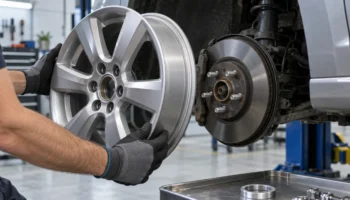

Wheel studs are small yet vital parts. They hold wheels firmly on hubs. Each stud must bear heavy loads. The material of a stud affects strength and durability. Different cars use different types for this reason. Some materials suit speed or weight or cost. The right choice ensures safety and life of parts. The use of various metals shows how materials matter most in design.
Steel Wheel Studs
Steel studs are the most common choice. They provide toughness and reliability. A steel stud resists great force easily. It handles constant vibrations on rough roads. This type suits heavy vehicles like trucks or sedans and is often recommended by mechanics who specialize in Auto Repair in Eugene, OR. Steel can also resist rust with proper coating. It offers long service with little maintenance. It is cheaper than many other options. Most makers rely on steel for its proven record. It remains a standard in vehicle design today.
Alloy Wheel Studs
Alloy studs mix metals for better balance. This mix can reduce weight yet keep strength. Alloys may include light elements such as zinc or nickel. Every element adds a special trait to the stud. These studs are often used in sports cars. They handle stress well under fast rotation. The lighter feel aids quick control on turns. A good alloy resists wear and friction. It blends durability and performance in every run.
Titanium Wheel Studs
Titanium studs represent power and grace. This metal has high strength with low mass. It is lighter than steel but tougher in many ways. It resists rust even in harsh weather. It performs well in heat and cold alike. Titanium studs are used in racing cars and premium models. The cost is higher but the gain is clear. They offer smooth motion and lasting value. The finish also looks clean and modern always. Experts at Joe’s Garage often note that titanium studs deliver unmatched durability for performance builds.
Aluminium and Other Modern Materials
Aluminium studs are very light in weight. They reduce stress on the wheel assembly. Modern makers add coatings to improve stability. Some new designs use advanced composites for better results. These materials help efficiency and style. They also support green goals with lighter mass. Each type shows how innovation drives progress in car design.
The Right Material for Every Need
The choice of stud material defines performance. A steel stud gives firm security for daily drives. An alloy stud blends comfort with speed. Titanium suits bold power and endurance. Aluminium saves weight and supports fuel goals. Every driver gains from the correct fit. Material selection joins science with safety. Engineers shape every stud for specific purpose. The right choice protects wheels and improves control. The role of material is simple yet profound. For trusted guidance, Joe’s Garage always recommends choosing wheel studs that match the demands of your vehicle and driving style.