RI

Repairs

Do the Steering Wheel of Your Vehicle have a Heavy or Lumpy Feel?

You should also be able to turn a steering wheel comfortably when making a turn around the corner or when parking a car. When the steering feels heavy or lumpy all of a sudden then a faulty steering universal joint may be the cause. This part aids in transmitting motion on the steering wheel to the steering rack. This movement can be subject to wear or corrosion. Steering issues can be avoided by early diagnosis and allow retaining safe car control.

What is the Workings of a Steering Universal Joint?

The steering universal joint joins the portion of the steering shaft at an angle. It enables rotational movement to be through the steering system in cases where the sections of the shafts are not perfectly aligned. This motion is used to make the steering rack react to your inputs. The joint consists of moving parts, which are supposed to rotate freely. With time these components may rust or be internally worn.

Central Illinois transmissions will have the ability to examine the steering shaft and determine whether the joint is limiting the movement or not. A worn joint might require replacement to allow the steering operation to be smooth again.

Is it safe to Doctor a Faulty Pivot Steering Universal Joint?

Use of a faulty steering universal joint may be dangerous. The joint still being bound can cause abrupt movements in steering. The dependable steering movement transfer can also be severely worn. In case of abnormally heavy or uneven steering, do not drive long distances.

Pull over when the steering becomes hard to turn, or the steering begins to act erratically. Request professional help instead. The Auto repair in Mattoon, IL service is able to diagnose the cause of steering stiffness and suggest appropriate repairs. Timely action can eliminate the risk of additional damage.

FAQs

Is it possible that a steering universal joint produces only stiffness during parking?

Yes. At low speeds there is an increased steering effort required to park. A binding joint can be more evident when making tight turns.

Is the steering wheel able to move with the perception of notchiness without a sound?

Yes. Internal friction may cause the movement of unevenness without generating such a sound.

Does a bad joint necessarily give a dashboard warning?

No. The fault of a mechanical universal joint generally does not provoke a special warning lamp.

Does cold weather cause an existing joint problem to become more apparent?

Yes. Preexisting mechanical stiffness can be influenced by temperature. Persistent symptoms however, need to be investigated.
read more
Auto Maintenance

How Rust and Road Salt Can Cause Premature Ball Joint Failure

Ball joints are very crucial in the suspension system of a car. They attach the control arms to the steering knuckle or spindle and enable the smooth movement of the wheels during steering and travelling along uneven roads. Properly maintained and cast against damage, ball joints may last many years. Nevertheless, these components can also be corroded by exposure to water and road salt which will weaken them over time. Learning the elements of rust formation, and its impact on the ball joints, will enable drivers to know possible issues before it becomes a costly case.

How Rust Develops Inside Ball Joints

The rubber or plastic boots safeguard ball joints and contain grease in, and no dirt or moisture is allowed to enter the assembly. In time such boots may crack or tear due to old age and the suspension movement. When the protective covering is broken water and debris is able to enter the joint and result in internal corrosion. Rust enhances friction between the moving surfaces and the smooth functioning of these surfaces is affected by rust over a certain period of time. The frequent checkups of J&S Auto Repair may involve detection of damaged boots as well as preliminary corrosion damages before the condition turns to be more serious.

How Corrosion Causes Premature Ball Joint Wear

The metal on the inside of a ball joint can be damaged by corrosion, such that it no longer moves properly. Just because grease is escaping via a busted boot, does not mean that the rest of the lubricant is going to adequately cover them. The rust particles may then play a part in the abrasive wear between the ball and socket. With time excess clearance is likely to arise and loosen the joint. J&S Auto Repair will be able to examine the state of the suspension parts and to define whether or not the joint should be replaced. Timely Auto Repair in Newport, RI would be able to assist in solving corrosion related suspension issues before they impair the handling of vehicles.

Warning Signs of a Corroded or Worn Ball Joint

Malfunctioning ball joints can either result in clunking over bumps or loose steering and uneven tire wear. The drivers can also experience changes in handling during turning or when travelling over rugged areas. The rust in itself is not necessarily a failure in a ball joint. Nonetheless a wrecked boot or other signs of danger should be an occasion to seek professional analysis. J&S Auto Repair may check the joints to see that they are over flowing and inside does not wear out. These problems are fixed at an early stage to ensure stability during the suspension and consistent and efficient steering.

read more
Auto

Why the Monthly Number Should Come Before Choosing the Truck

Most buyers pick the truck first and deal with money second. Then they fall for a configuration that doesn’t fit the monthly budget, and the showroom turns into a long calculation. That’s usually where the second-guessing starts, somewhere halfway through the paperwork.

Doing it the other way round works better. The dealer’s site has tools to sort out financing before a visit, and the Tacoma inventory at http://mikecalverttoyota.com/new-vehicles-houston/tacoma is easier to browse once the budget is clear.

Why Start With Money?

Because it narrows the choice quickly. Knowing a comfortable monthly figure rules out some configurations immediately and makes others look very reasonable.

It also takes pressure off the visit. Decisions get made about the truck, not about whether it’s affordable. A buyer who knows the ceiling can relax about everything below it and focus on which configuration actually suits the week ahead.

Does Checking Hurt a Credit Score?

Not necessarily. The dealership offers pre-qualification through Capital One that, according to its site, has no impact on the buyer’s credit score.

There’s also a separate online pre-approval option for those further along. Either gives a realistic sense of where things stand before anyone falls in love with a specific truck. Buyers who aren’t sure where they stand can also read through the dealer’s special auto financing section before assuming a new truck is out of reach.

Rebates Worth Asking About

The dealership lists military and college rebates, along with manufacturer specials and lease options. Not everyone qualifies for each one, and terms apply.

Leasing deserves a quick look of its own. For some buyers, a lease payment shifts which configuration fits the budget. Some cash offers also require financing through Toyota Financial Services, so it’s worth asking how each offer works with the financing route chosen.

Still, it’s worth checking all of this before a visit. Buyers who look through the offers and then browse http://mikecalverttoyota.com/new-vehicles-houston/tacoma will see listed prices with a much better sense of their real budget.

A Sensible Order of Steps

  1. Pre-qualify or get pre-approved to understand the likely rate range.
  2. Run the payment calculator to find a comfortable monthly figure.
  3. Value the trade-in so it counts toward the budget.
  4. Check rebates and specials that might apply.
  5. Schedule a test drive of configurations that fit the numbers.

The order matters more than any single step. Running the calculator before pre-qualifying, for instance, means guessing at a rate.

None of these steps takes long. Together, they change the whole tone of the visit. Buyers who walk in knowing their number are choosing a truck, not working out whether they can afford one.

read more
Maintenance

Car Transmission Fluid and the Relationship Between Heat and Clutch Wear

Transmission fluid circulates through internal components while reducing friction between moving surfaces. This lubrication creates smoother operation and limits unnecessary heat generation during transmission operation. The fluid also carries heat toward cooling passages and transmission cooling systems. So healthy fluid can help maintain a more stable operating environment. When fluid becomes contaminated or degraded the heat management process becomes less effective.

High temperatures can change important fluid properties over extended operating periods. The fluid may lose some of its protective lubrication capabilities. Therefore internal components can experience greater friction during demanding transmission operation. Bird Auto Repair can inspect transmission fluid condition when unusual heat becomes noticeable.

Heat Can Accelerate Clutch Wear

Clutch packs depend on controlled friction to transfer engine power through automatic transmissions. Excessive heat can affect the friction materials used across these clutch components. Prolonged thermal stress may gradually reduce their ability to engage smoothly. Sometimes this process creates slipping sensations during acceleration or changing gears.

Repeated overheating can also affect the transmission fluid surrounding clutch assemblies. Degraded fluid may provide less effective lubrication and thermal protection. As a result clutch surfaces can experience additional stress during repeated engagement. So excessive heat can create conditions that accelerate internal clutch deterioration.

Warning Signs Of Heat Related Transmission Problems

Heat related transmission problems can produce several noticeable changes during everyday driving. Shifting may become less smooth when the transmission reaches higher operating temperatures. The vehicle may hesitate before engaging a selected gear. A slipping sensation can also appear during acceleration or uphill driving. Sometimes unusual transmission smells can indicate overheated or degraded fluid.

However these symptoms can have different mechanical causes within modern transmissions. Accurate diagnosis remains important before assuming that clutch wear is responsible. Professional technicians can examine fluid condition and transmission operating behaviour. Bird Auto Repair can help identify potential causes behind unusual shifting or overheating concerns.

Why Fluid Condition Matters For Clutch Protection

Manufacturer recommendations can provide useful guidance regarding fluid inspection and servicing. However driving conditions can influence how quickly transmission fluid deteriorates. Heavy loads and frequent traffic can create additional thermal stress. So regular professional inspections can help identify fluid problems before serious damage develops.

Professional Maintenance Can Reduce Heat Related Wear

Reliable Auto repair in Lee’s Summit, MO service can support proper transmission inspection and maintenance. Bird Auto Repair can examine potential heat related concerns before severe internal damage develops. Professional servicing can help preserve smoother shifting and dependable transmission performance. Now timely attention remains valuable whenever overheating or slipping symptoms appear.

Maintaining suitable transmission fluid condition supports effective lubrication and heat management. This protection can reduce unnecessary stress across clutch components during normal operation. With appropriate maintenance the transmission can continue delivering smoother and more reliable performance.

read more
Auto

Hub-Centric vs. Lug-Centric Wheels: Why Proper Fitment Matters

Choosing wheels involves more than finding a good-looking design. Diameter, width, bolt pattern, offset, and load rating matter. So does the way a wheel centers itself. This is where hub-centric vs. lug-centric wheels become important.

Both designs can work safely when they are made correctly and installed with the proper hardware. Problems often begin when a wheel does not match the hub, lug seats, or tightening procedure.

What Is a Hub-Centric Wheel?

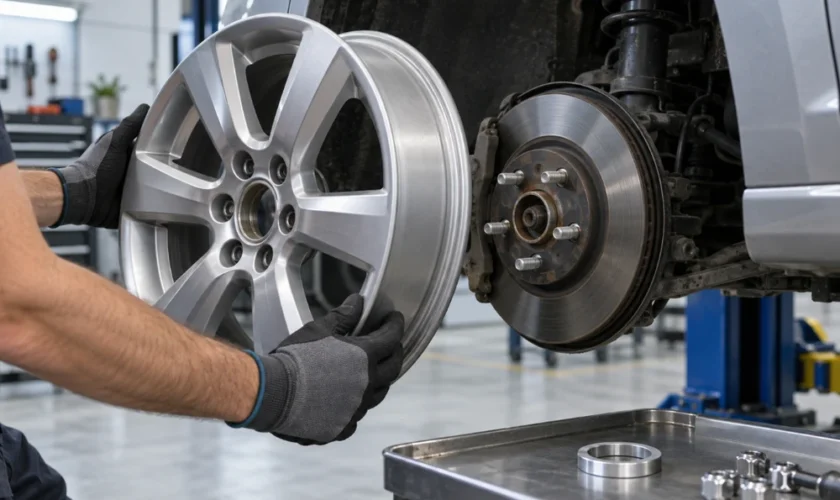
A hub-centric wheel has a center bore that closely fits over the raised vehicle hub. This hub pilot positions the wheel before the lug nuts or bolts are tightened.

Many factory wheels use this design because they are made for a particular vehicle. The close fit helps the wheel remain centered during installation. The fasteners still provide the clamping force that holds it against the hub.

Some aftermarket wheels have a larger center bore to fit several vehicles. Hub-centric rings can fill the gap. Each ring must match both measurements and sit flat against clean surfaces.

What Is a Lug-Centric Wheel?

A lug-centric wheel is centered mainly by its lug nuts or bolts. As the fasteners enter their matching seats, they guide the wheel into position. The center opening may be larger than the hub pilot.

This setup appears on some aftermarket wheels and trailers. It is not automatically unsafe. Still, tightening one fastener before the others can pull the wheel slightly off center.

Start every fastener by hand and tighten gradually in a star pattern. Use a calibrated torque wrench for the final pass. The fastener seat must match the wheel, whether conical, ball-shaped, or flat.

Why Centering Matters

When comparing hub-centric vs. lug-centric wheels, proper centering is the main concern. A wheel that is not seated correctly may create a vibration that becomes noticeable at highway speeds. Drivers sometimes assume the tires are unbalanced, but balancing alone will not correct a wheel mounted off center.

Incorrect fitment may cause uneven clamping, loose fasteners, damaged wheel seats, or added stress. Severe problems can affect vehicle control. Even a small mismatch deserves attention.

Check More Than the Center Bore

Knowing whether a wheel is hub-centric or lug-centric does not confirm that it fits. The bolt pattern must match exactly. The wheel needs suitable offset and backspacing so it clears the brakes, suspension, and body. Its diameter, width, and load capacity must suit the vehicle and tires.

The mounting surface must be clean and flat. Rust, dirt, retaining clips, or damaged hub parts can prevent full contact. Spacers and adapters should only be used when designed for the application.

Signs of a Fitment Problem

Common warning signs include steering-wheel vibration, shaking through the seat, clicking, or lug hardware that repeatedly loses torque. Fresh marks around the lug seats or a wheel that does not sit flush also suggest a problem.

Stop driving and arrange an inspection if the wheel feels loose or the vehicle suddenly begins shaking strongly.

Getting the Installation Right

The hub-centric vs. lug-centric wheels question does not have one winner for every vehicle. A correctly sized hub-centric setup offers simple, consistent centering. A properly designed lug-centric setup can also perform well when the correct fasteners and tightening process are used.

Before installing new wheels, confirm every specification instead of relying only on appearance or bolt pattern. Careful measurement, correct hardware, even tightening, and a torque recheck after the recommended distance help create a smooth ride and a secure connection.

This post was written by a professional at Tires2Go Florida. Tires2Go Florida is a trusted automotive service center located in Pinellas Park, Florida, serving drivers across St. Petersburg, Tampa, Clearwater, and Largo. Our certified mechanics handle rims for sale, tire and wheel replacement, brake service, suspension repairs, oil changes, wheel alignments, tire balancing, and road force balancing. We also specialize in ADAS calibration, suspension modifications, lift kits, and lowering kits using quality parts and modern diagnostic equipment. From routine maintenance to advanced automotive services, Tires2Go Florida provides dependable solutions and tires for sale for vehicles throughout the Tampa Bay area.

read more
Repairs

Loose Steering Wheel While Driving? Don’t Ignore These Warning Signs

A loose steering wheel can make ordinary driving feel uncertain and uncomfortable. The steering system should always provide controlled responses during normal road conditions. Now a loose feeling may indicate wear within important steering or suspension components. Sometimes the issue develops gradually without creating obvious sounds or warning signs. So, understanding possible causes can help identify problems before handling becomes more difficult.

Damaged Tie Rod Ends Can Reduce Steering Precision

Tie rod ends play an important role in controlling front wheel direction. Their position allows steering movement to transfer properly toward the front wheels. However, worn tie rod ends can create noticeable looseness around the steering wheel. Small steering movements may then produce delayed responses from the front wheels. This condition can also affect vehicle tracking during straight road driving. Sometimes uneven tire wear may develop because wheel alignment becomes difficult. J&S Auto Repair can inspect these components and identify excessive movement during steering checks.

Worn Ball Joints May Affect Steering Stability

Ball joints allow suspension components and steering parts to move together correctly. Excessive wear can create additional movement within the front suspension assembly. This movement may make the steering wheel feel loose during normal driving. Rough roads can make the sensation more noticeable because suspension movement increases. The vehicle may also wander slightly when travelling across uneven surfaces. So unusual steering looseness should never be ignored for extended periods. J&S Auto Repair can examine ball joints while checking related suspension and steering components.

Alignment Problems Can Make Steering Feel Unstable

Wheel alignment affects how accurately the vehicle follows the intended driving direction. Incorrect alignment may develop after impacts with potholes or raised road surfaces. It can also appear when worn suspension components change wheel positioning. Now the steering wheel may feel less centered while driving straight ahead. The vehicle might gradually move toward one side without constant correction. Uneven tire wear can also accompany alignment problems over time. A professional inspection can determine whether alignment or component wear causes the steering sensation. Proper Auto Repair in Cranston, RI service can help identify the underlying mechanical cause.

Steering Gear Wear Can Increase Steering Wheel Play

The steering gear transfers rotational movement from the steering wheel toward steering components. Internal wear can increase the amount of movement before the wheels respond. This condition can create noticeable play around the steering wheel during driving. Hydraulic or electric steering systems can experience different forms of mechanical wear. Sometimes steering fluid problems can also influence steering response in hydraulic systems. However internal steering gear problems require careful professional assessment before repairs begin. J&S Auto Repair can evaluate steering movement and inspect connected components for related wear. Early attention can prevent a minor steering concern from becoming more serious.

read more
Maintenance

Why Your Car May Lose Coolant Without an Obvious Leak

Coolant loss can become confusing when no visible puddle appears beneath the car. The cooling system should maintain a stable fluid level during normal driving. But gradual coolant loss can signal an internal problem that needs attention. Sometimes the coolant escapes through tiny openings that close when the engine cools. So the problem may remain hidden during a simple visual inspection. Now understanding possible causes can help prevent expensive engine damage.

A Faulty Radiator Cap Can Cause Coolant Loss

The radiator cap plays an important role in maintaining cooling system pressure. A weak cap may release coolant before normal pressure levels are reached. The released fluid can travel through the overflow system without creating puddles. Over time this process can gradually reduce the coolant level. The engine may still appear normal during ordinary short journeys. However longer driving can expose the weakness more clearly. So replacing a worn radiator cap can sometimes solve unexplained coolant loss. A technician at Willand’s can test the cooling system and inspect pressure behaviour.

The Water Pump Can Leak Without Leaving Evidence

Sometimes coolant residue around the pump provides an important diagnostic clue. Regular inspection from Willand’s can help detect developing cooling system problems. Early attention can reduce the possibility of serious overheating and engine damage.

Overheating Can Make Coolant Disappear Faster

An overheating engine can push coolant beyond normal operating conditions. Excess pressure may force coolant through weak seals or connections. The coolant can then evaporate before reaching the ground. A malfunctioning thermostat can contribute to abnormal engine temperature and coolant pressure. Blocked radiator passages can create similar temperature related problems. The cooling fan can also affect temperature control during slow traffic conditions. Therefore repeated coolant loss should never be treated as normal behaviour. Auto repair in Ferndale, WA service can provide suitable inspection and repair support when coolant levels continue falling.

FAQs

Can coolant disappear because of normal engine operation?

No. A healthy sealed cooling system should not regularly lose noticeable coolant during normal driving conditions.

Why does coolant vanish after longer drives?

Higher engine temperatures can expose small leaks that remain inactive during shorter journeys and cooler operating conditions.

Can a coolant leak happen only while driving?

Yes. Pressure changes and engine movement can make certain leaks appear only during active vehicle operation.

Does low coolant always mean there is a major engine problem?

Not always. A damaged cap, hose connection, pump seal, or minor leak can cause gradual coolant loss.

Can coolant loss damage an otherwise healthy engine?

Yes. Continued coolant loss can cause overheating which may eventually damage important internal engine components.

read more
Tech

How Mechanical Engineering Continues to Evolve

Introduction

Mechanical engineering has never been a field that stays still for long, and the changes happening right now are arguably as significant as any since the discipline first emerged during the Industrial Revolution. Digital tools, new materials, and increasingly interdisciplinary work are reshaping what it actually means to be a mechanical engineer day to day. Looking at where the field is headed shows just how much the role continues to expand beyond its traditional boundaries.

At the core of this ongoing transformation is the way modern mechanical engineering integrates advanced computational analysis with traditional physical principles to tackle increasingly complex challenges. Rather than relying solely on trial-and-error physical testing, engineers today use sophisticated CAD modeling, finite element analysis, and real-time sensor feedback to optimize mechanical systems from the ground up. This convergence of software intelligence and physical hardware allows multidisciplinary teams to innovate faster, reduce material waste, and design remarkably resilient structures for the future.

Digital Twins Are Changing How Engineers Design and Test

Engineers can now simulate how a component will behave under stress or extreme temperature before ever building a physical prototype, using digital twin technology that’s faster, cheaper, and more precise than traditional testing methods. This shift is becoming increasingly critical across aerospace, automotive, and healthcare manufacturing, where getting a design right before physical production saves enormous time and cost.

Additive Manufacturing Has Moved From Prototyping to Production

3D printing has officially graduated from a tool used mainly for early prototypes into a legitimate production method in its own right, with the field expected to grow by nearly 24 percent annually through 2033. That shift gives engineers far more design freedom and lets them create complex structures and highly customized parts that traditional manufacturing methods simply can’t produce as efficiently.

The Field Is Becoming Genuinely Interdisciplinary

Modern mechanical engineers increasingly work alongside software and electrical engineers, since translating a digital design into a functioning physical product almost always requires mechanical expertise somewhere in the process. This overlap has pushed fields like mechatronics and robotics further into the mainstream of mechanical engineering, requiring engineers to build skills well outside what the discipline traditionally covered.

New Priorities Are Reshaping Where Engineers Focus Their Skills

Renewable energy work is expanding quickly, and expanding global data center capacity is creating fresh thermal management and cooling challenges for mechanical engineers to solve. At the same time, understanding automation has become one of the most in-demand skills in the field, reflecting how deeply Industry 4.0 concepts have worked their way into what employers now expect from mechanical engineering graduates.

Continuing Education Has Become a Career-Long Expectation

The pace of change means formal schooling alone no longer prepares an engineer for a full career, continuing education has become an ongoing expectation rather than an occasional refresher. Online upskilling platforms have seen enormous growth in mechanical engineering coursework specifically, a clear sign that professionals at every career stage are actively working to keep pace with where the field is heading.

Conclusion

Mechanical engineering keeps evolving because the problems it’s asked to solve keep evolving too, from simulating designs digitally before they’re ever built to working seamlessly alongside software and electrical disciplines. Additive manufacturing, digital twins, and a growing emphasis on renewable energy and automation are reshaping what the field actually looks like in practice. For engineers entering the profession or already established in it, staying current with these shifts isn’t optional anymore, it’s simply part of what the job now requires.

read more
Maintenance

Timing Belt Maintenance: What Car Owners Should Know

A timing belt is a vital component inside many modern vehicle engines. It keeps important internal engine parts moving together at the correct time. So proper timing belt maintenance protects engine performance and everyday driving reliability. The belt works quietly while handling constant movement and engine heat. But gradual wear can weaken its structure without creating obvious warning signs. Now regular inspection becomes important for preventing sudden and expensive engine damage. Good maintenance also helps car owners understand when replacement becomes necessary. For dependable guidance Auto Repair in Warwick, RI service can provide professional timing belt assistance.

Understanding the Role of a Timing Belt

The timing belt controls the relationship between major moving engine components. It connects the crankshaft with the camshaft inside the engine. This connection allows engine valves to open and close at proper moments. The belt must maintain precise movement during every engine operating cycle. A worn belt can lose strength and eventually fail during operation. Sometimes small cracks appear before complete belt failure occurs. Other signs may include unusual ticking sounds or difficult engine starting. However visible damage does not always appear before a serious failure. Regular professional inspection can identify wear that remains difficult to notice. J&S Auto Repair provides maintenance support for owners concerned about timing belt condition.

Why Regular Timing Belt Inspection Matters

Timing belts operate under demanding conditions for long periods. Constant heat can gradually affect the belt material and internal reinforcement. Oil contamination can also weaken certain belt materials over time. So, inspection helps identify problems before they become major mechanical failures. A professional technician can examine the belt for cracks and surface damage. The inspection can also reveal signs of excessive wear around belt edges. Proper maintenance therefore involves more than simply looking at the belt.

Recognizing Signs of Timing Belt Problems

A vehicle may provide several clues when timing belt problems develop. Unusual engine noises can sometimes indicate trouble with related components. A ticking sound may occur when internal engine timing becomes affected. Difficulty starting can also suggest an issue within the timing system. Engine misfires may happen when valve movement loses proper synchronization. J&S Auto Repair can help identify timing belt concerns through appropriate inspection procedures.

Protecting Long Term Engine Reliability

Timing belt maintenance is an important part of responsible vehicle ownership. A small belt component can have a major effect on engine operation. Preventive attention can reduce unexpected breakdown risks during everyday driving. It can also protect against expensive internal engine damage after belt failure. Regular professional servicing supports smoother operation and greater driving confidence. J&S Auto Repair can assist owners with inspection and maintenance needs when concerns arise. A reliable timing belt system helps keep essential engine movement properly synchronized. Consistent care therefore remains one of the smartest preventive maintenance practices.

read more
Car Buying

The Supercar Buyer’s Financing Checklist: 7 Questions to Ask Before You Sign

Buying a supercar involves more than deciding which badge, engine, or specification belongs in the garage. The financial structure behind the purchase deserves just as much attention.

A manageable monthly payment can be attractive, but it tells only part of the story. Loan length, borrowing cost, down payment, early-payoff terms, and even the way the vehicle is being sold can affect whether a financing arrangement makes sense.

Before signing a contract, work through these seven questions.

1. What Is the Total Cost of the Loan?

Monthly payment is an important budgeting number, but it should not be evaluated in isolation.

Compare the amount financed, annual percentage rate (APR), loan term, monthly payment, and total finance cost. A longer repayment period can lower the monthly obligation because the principal is spread across more payments, but it can also increase the interest paid over the full life of the loan.

The Consumer Financial Protection Bureau recommends considering APR, interest rate, loan length, and total amount financed when comparing auto-loan offers rather than focusing solely on the monthly payment.

The useful question is therefore not simply, “Can I comfortably make this payment?” It is also, “What will this financing arrangement cost if I keep it for the full term?”

2. Does the Loan Term Match Your Ownership Plan?

How long do you realistically expect to own the car?

Some owners buy a particular model with the intention of keeping it for years. Others regularly rotate through performance cars as new models arrive or their interests change.

That distinction matters when choosing a loan term. If there is a reasonable chance you will sell the vehicle before the loan matures, understand what the remaining principal balance could look like at that point.

Longer terms can improve monthly cash flow, but they also generally mean principal is outstanding for longer. The CFPB notes that extending an auto-loan term can reduce the monthly payment while increasing the total interest paid over the life of the loan.

Match the repayment structure to a realistic ownership horizon rather than choosing a term based on the smallest payment alone.

3. Does the Financing Structure Fit the Car?

A conventional daily driver and a six-figure performance car may present very different purchase situations. A supercar could be new or pre-owned and may be sourced from a franchised dealer, specialist retailer, private owner, auction, or online marketplace.

That makes it worth investigating lenders and loan programs that actually accommodate the type of vehicle and transaction you are considering.

Buyers researching supercar financing can compare specialty lending structures alongside conventional auto-loan options, paying particular attention to loan length, down-payment requirements, vehicle eligibility, seller requirements, and payoff provisions.

The important point is not to assume that one financing structure is automatically best. Compare the terms against the actual car, purchase channel, and your financial objectives.

4. How Much Should You Put Down?

A larger down payment reduces the amount you need to borrow. That can change both your monthly obligation and the amount of principal on which interest is calculated.

The CFPB notes that increasing a down payment reduces the amount that needs to be financed and may also affect the interest rate offered.

However, the largest possible down payment is not automatically the right answer for every buyer.

Consider how much liquidity you want to retain after completing the purchase. A car acquisition can involve expenses beyond the sale price, including taxes, registration, transportation, insurance, inspections, immediate maintenance, or other ownership costs.

Compare several down-payment scenarios instead of treating the decision as an afterthought.

5. Can You Pay the Loan Off Early?

Ownership plans change. You might sell another asset, receive a bonus, refinance, or simply decide that eliminating the remaining car debt makes sense.

Before borrowing, determine whether the agreement contains a prepayment penalty or other provisions affecting early payoff.

The CFPB specifically recommends asking whether an auto loan includes a prepayment penalty when comparing terms.

Even when you have no immediate intention of paying the balance early, understanding your options provides flexibility if your circumstances change.

6. Is the Financing Ready Before You Commit to the Car?

Desirable vehicles do not always remain available for long, especially when the exact specification, mileage, condition, or provenance is difficult to duplicate.

That does not mean buyers should rush their financial due diligence. It means financing preparation should ideally begin before the pressure of completing a particular transaction.

Understand what documentation a prospective lender will require, how much you are prepared to put down, what purchase price fits your plan, and whether the lender can accommodate the type of seller involved.

Having those questions answered early makes it easier to evaluate the car itself without simultaneously trying to solve the financing structure under unnecessary pressure.

7. Have You Compared the Entire Deal?

Before signing, place competing offers side by side.

Compare the same variables for each: purchase price, down payment, amount financed, APR, term, monthly payment, total repayment cost, fees, and early-payoff conditions. Confirm that optional products have not been included unless you actually want them.

APR is particularly useful when comparing borrowing costs because it incorporates the interest rate and certain additional loan charges rather than showing the interest rate alone.

A financing offer that wins on monthly payment may not win on total cost, flexibility, or suitability for the transaction.

Conclusion

Financing should support a supercar purchase, not distract from it.

The best approach is to evaluate the loan with the same care you would apply to the vehicle: understand what you are getting, compare alternatives, question anything that is unclear, and consider how the decision will look several years from now.

A payment that fits comfortably into your monthly budget matters. So do the term, borrowing cost, down payment, flexibility, and remaining balance over time. Looking at those factors together provides a far better foundation for a confident purchase than focusing on a single attractive number.

read more
1 2 3 … 6
Page 1 of 6